Shipping from China to the USA:
A Practical Guide
Shipping from China to the US is a trade-off between speed and cost, with duties and customs on top. Here's how the methods compare, how long each takes, what really drives the price, and what to check before you ship.

 Shipping & Freight
Shipping from China to USA freight is mostly a choice between three methods — express courier, air freight, and ocean freight — traded off against how fast you need it and how much you're willing to spend. On top of the shipping cost sit customs, duties, and tariffs, which can meaningfully change your landed cost. This guide lays out how the options compare, how long each takes, and what to check before you ship.
Express courier is fastest and priciest (best for small, urgent shipments); air freight is the middle ground; ocean freight is cheapest per unit but slowest (best for large volumes). Add customs duties and any applicable tariffs to get your true landed cost — and verify current rates before you ship, because both freight rates and trade rules change.
The three ways to ship from China to the US
| Method | Typical speed | Best for |
|---|---|---|
| Express courier | Fastest — days | Small, urgent, or high-value shipments |
| Air freight | Moderate — around a week, plus handling | Time-sensitive mid-size shipments |
| Ocean freight (FCL/LCL) | Slowest — several weeks door to door | Large volumes where cost per unit matters most |
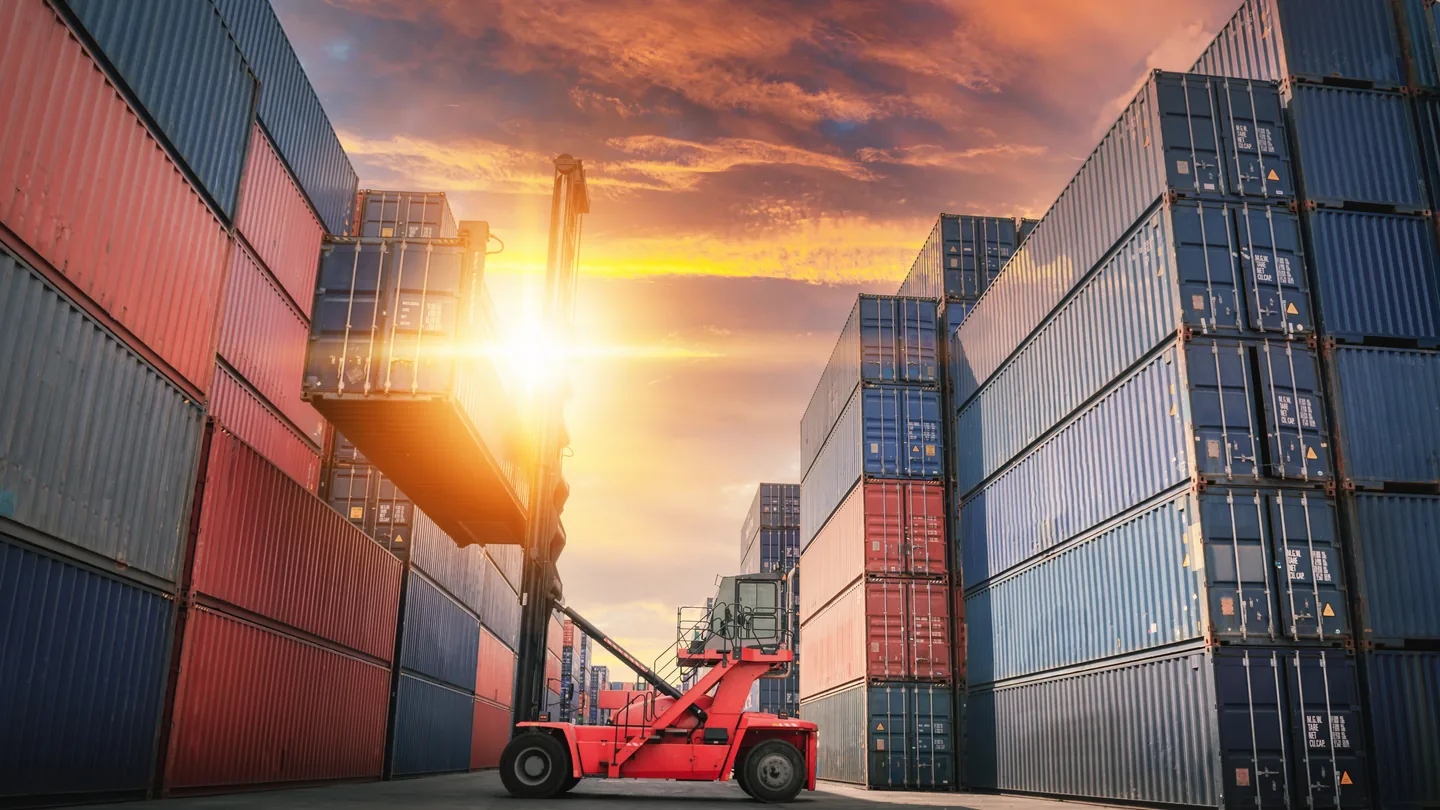
Ocean freight splits into FCL (a full container you fill yourself) and LCL (less-than-container, where you share space with other shippers). LCL is the value option for partial loads — the same consolidation logic that keeps any freight move affordable — but it adds handling time at both ends because the container has to be built and broken down.
How long shipping from China to the USA takes
Transit time depends on the mode, the origin port, and where in the US it's going. West Coast arrivals are meaningfully quicker than East Coast or inland destinations, because the ocean leg is shorter and the inland leg is what stretches the total.
Three things reliably add time, and none of them are on the carrier's quote:
- Chinese New Year and Golden Week. Factories close and freight backs up for weeks either side. This is the single most predictable cause of delay, and it is planned around, not solved.
- Port congestion. A backed-up port can add days to weeks regardless of how fast your sailing was.
- Customs clearance. Usually quick, but a documentation problem or an inspection can hold a shipment at the border — see what "customs clearance completed" means and why shipments stall.
If a shipment is running late, the cause is far more often one of these than the ocean crossing itself. Ask your forwarder which stage it's actually sitting in before assuming it's lost.
Importing from China and weighing speed against cost? Get a fast, free freight quote — no obligation.
Get a free quote →Understanding shipping scope: door-to-door and the alternatives
"Shipping from China" can mean four quite different services, and quotes are not comparable until you know which one you're looking at:
- Door-to-door — collected at the supplier, delivered to your address. One provider, one invoice, fewest gaps.
- Door-to-port — collected at the supplier, delivered to the US port. You arrange clearance and inland transport.
- Port-to-port — the ocean or air leg only. Cheapest headline number, most work for you.
- Port-to-door — from the origin port to your address; you arrange collection in China.
This is also where Incoterms come in — EXW, FOB, and CIF define exactly where the seller's responsibility ends and yours begins, including who pays freight and who carries the risk if something goes wrong in transit. Getting this wrong is a common and expensive first-import mistake: an EXW price looks cheapest precisely because almost nothing is included. Our guide to door-to-door shipping covers the full-service end of that spectrum.
What drives your China-to-USA shipping cost
- Method — courier vs. air vs. ocean is the biggest lever by far.
- Weight and volume — you pay on whichever is greater, so bulky-but-light cargo is priced on the space it occupies.
- Origin and destination — inland transport on both ends adds up, and inland US delivery often costs more than people expect.
- Service scope — port-to-port versus full door-to-door with the last mile handled.
- Timing — peak season and pre-holiday rushes cost more.
- Duties and tariffs — a real part of the landed cost, not an afterthought.
It's worth understanding how volatile ocean rates can be. Container rates on this lane have historically swung enormously — from roughly $1,700 per container before the pandemic, to a peak near $11,700 in mid-2021 amid global supply-chain disruption, before settling back into the low thousands by 2023 (figures tracked by the U.S. Bureau of Transportation Statistics). Those are historical figures, not current rates. The lesson isn't the number, it's that budgeting from a rate you saw last year is how importers get caught out. Get a live quote.
Duties and tariffs: don't skip this
Goods imported from China are generally subject to customs duties, and specific product categories can carry additional tariffs. The exact rate depends on your product's classification — its HTS code under the U.S. Harmonized Tariff Schedule — and on current trade policy, which has shifted repeatedly in recent years and can change quickly.
Because of that, don't budget from a figure you read months ago. Verify the current duty and tariff for your specific product before you ship, and build it into your landed cost rather than treating it as a surprise at the border. Classification is genuinely technical, and a wrong code can mean either overpaying duty or a clearance delay — which is why most regular importers use a licensed customs broker rather than classifying goods themselves.
Working with a freight forwarder
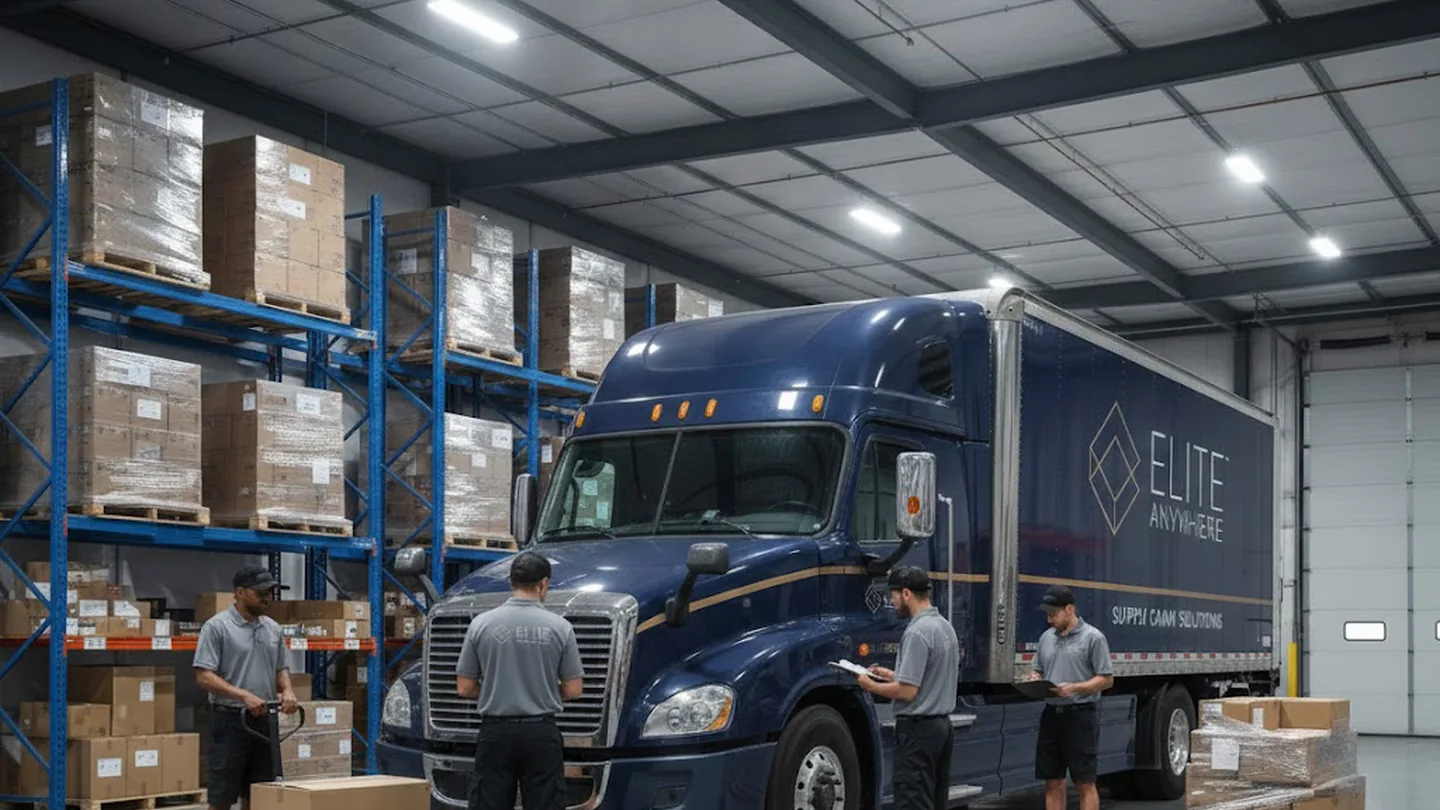
A freight forwarder books cargo space, prepares documentation, manages customs clearance, and tracks the shipment end to end. For a first import or a high-volume program, it's the difference between a managed process and a series of surprises.
When you're choosing one, there are concrete things to check rather than trusting a website:
- FMC licensing. Ocean freight forwarders and NVOCCs operating in US trade are licensed by the Federal Maritime Commission — you can verify a company's license rather than take its word.
- Customs capability — do they have licensed brokerage in-house, or do they hand you off?
- Lane experience — specifically China–US, not international freight in general.
- What happens after the port — whether they handle FTL and LTL inland delivery, or stop at the terminal.
How to ship from China to the US more cheaply
- Consolidate. Combine shipments into LCL or FCL rather than sending many express parcels.
- Plan ahead. Ocean freight rewards lead time; last-minute means paying for air.
- Ship around the holidays, not into them. Building Chinese New Year into your calendar saves more than any rate negotiation.
- Classify correctly. Accurate HTS codes avoid both overpaid duties and clearance delays.
- Vet your supplier and insist on proper documentation — bill of lading, packing list, commercial invoice — that all agree with each other.
- Use one provider end to end. Freight, customs, and final mile under one roof removes the handoffs where cost and delay accumulate.
For what happens once your freight lands and moves to its final address, see last mile delivery. We handle freight, customs documentation, and both FTL and LTL final-mile delivery as one managed service — see our international shipping service.
Quick answers.
How much is shipping from China to the USA now?
How long does shipping from China to the USA take?
Can you still ship from China to the US?
Do I pay tariffs if I order from China?
Are shipments from China being delayed?
What is the cheapest way to ship from China to the USA?
What's the difference between FCL and LCL?
Director of Operations · International Shipping & Freight at Elite Anywhere. Elite Anywhere runs receiving, storage, white-glove delivery, and installation for designers, brands, and private clients nationwide.
Explore Shipping & Freight →