What Is Door-to-Door Shipping?
One provider handles everything from pickup at the origin to delivery at the destination — no coordinating carriers, docks, or customs yourself. Here's the full sequence, how it compares to port-to-port, what drives the cost, and how it differs from DDP.

 Shipping & Freight
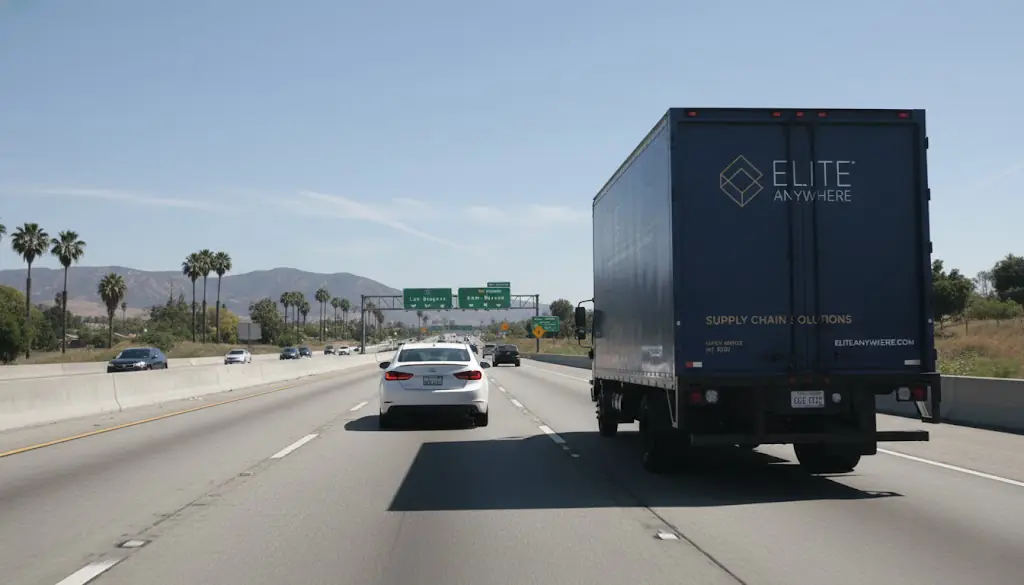
Door to door shipping means one provider manages your shipment across its entire journey — collecting it at the origin, moving it, clearing customs if it crosses a border, and delivering it to the final address. You never hand off between carriers, arrange a freight dock, or chase the last mile yourself. It's the difference between "we'll get it to a terminal near you" and "we'll bring it to your door."
Door-to-door (D2D) shipping = pickup at the origin address and delivery to the destination address, handled by one provider end to end. For international shipments that includes both export and import customs clearance. You don't coordinate carriers or terminals — one provider owns the full route.
How door-to-door shipping works
For an international shipment, the sequence is consistent regardless of provider:
- Pickup — the provider collects the goods from your location.
- Export customs clearance — they handle the documentation needed for the goods to leave the origin country.
- Transport — the shipment moves by ocean or air freight, depending on your timeline and budget.
- Import customs clearance — on arrival, the provider makes sure the shipment meets the destination country's import rules.
- Final delivery — the shipment is delivered to the recipient's address.
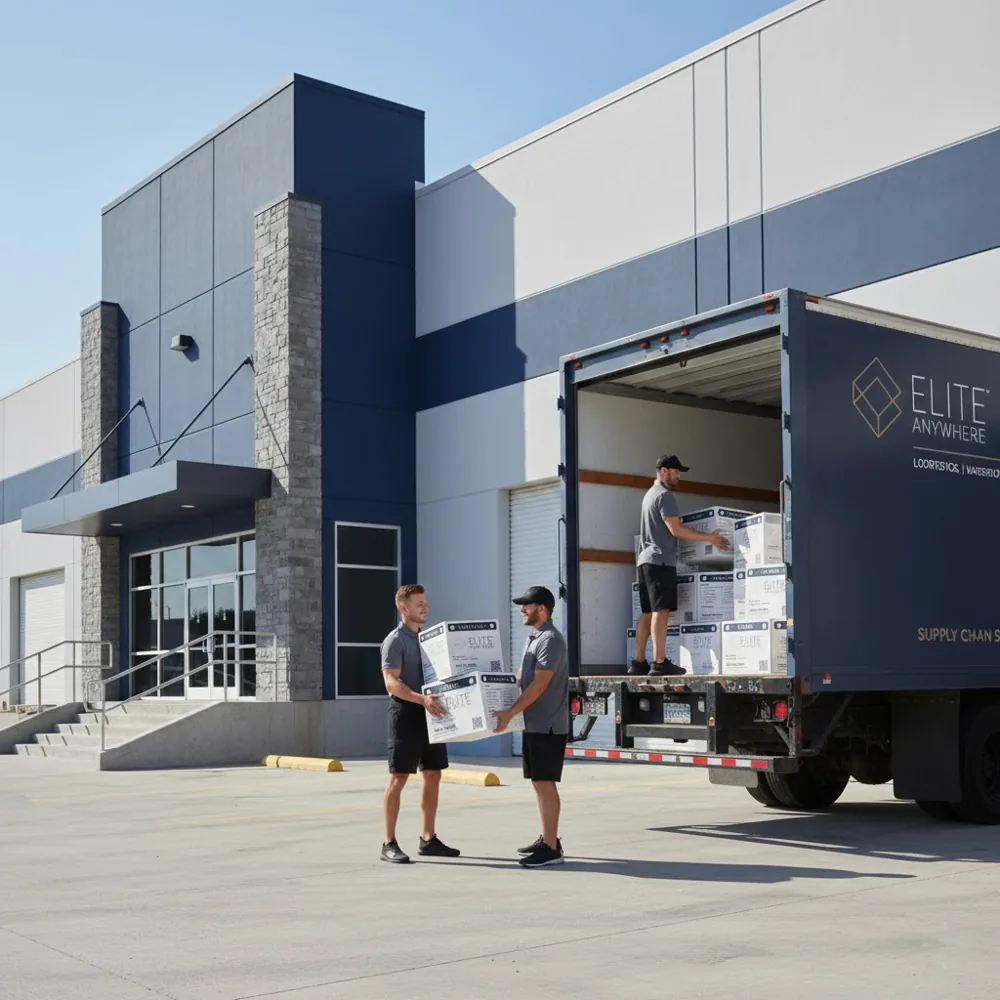
The "door" at the origin isn't always a home. It can be a factory, a warehouse, a showroom, or a freight or air-cargo terminal. We routinely collect a crated piece from an air-cargo terminal — coordinating the loading dock and forklift at that end — and carry it through to a residence ourselves. That end-to-end handoff is what door-to-door actually buys you: fewer touchpoints, and one company answerable for the whole route.
Door-to-door vs. the alternatives
Most freight confusion comes from comparing quotes that cover different spans of the same journey. There are four, and they are not interchangeable:
| Service | Starts | Ends | You handle |
|---|---|---|---|
| Door-to-door | Origin address | Final address | Nothing |
| Door-to-port | Origin address | Destination port | Import clearance + inland delivery |
| Port-to-port | Origin port | Destination port | Both ends — collection, both clearances, delivery |
| Port-to-door | Origin port | Final address | Collection + export clearance |
Port-to-port always shows the lowest headline number, because it covers the least. If you're comparing quotes, confirm which span each one covers before you compare the prices — otherwise you're choosing between a whole service and part of one. This is also where Incoterms (EXW, FOB, CIF, DDP) matter: they define exactly where the seller's responsibility ends and yours begins.
Want one provider handling pickup through final delivery? Get a fast, free door-to-door shipping quote — no obligation.
Get a free quote →Is door-to-door the same as DDP?
No — and this is the most common mix-up in international freight. Both get goods to the buyer, but they answer different questions:
- Door-to-door describes the physical route: origin address to destination address, one provider.
- DDP (Delivered Duty Paid) is a commercial term: the seller assumes responsibility for all costs including duties, taxes, and customs clearance, so the buyer receives the goods with nothing left to pay.
A shipment can be door-to-door and DDP, and in B2B deals it often is, because the buyer wants a genuinely hands-off experience. But door-to-door on its own does not guarantee duties are covered. Ask explicitly whether duties and taxes are included in your quote — if they aren't, you'll be billed before delivery, and the shipment will wait until you pay. Our guide to shipping from China to the USA walks through a full cross-border journey end to end, and what "customs clearance completed" means explains the status you'll see when it passes.
Express vs. expedited door-to-door
Both mean faster than standard freight, and they're often used loosely, but there's a practical difference in the market:
- Express is typically the fastest tier — often 1–3 business days, moving by air.
- Expedited is faster than standard but not as fast as express — commonly 3–5 business days depending on the route.
Both cost more than standard service, and both are worth it for genuinely time-critical goods: medical supplies, urgent business samples, a piece that has to land before an install date. Transit windows vary by carrier and lane, so confirm the actual commitment rather than relying on the label. Our guide to expedited shipping goes deeper on when the premium is justified.
What door-to-door shipping costs
There's no flat rate — price is set by the same factors as any freight, plus the value of someone handling the whole route:
- Distance between origin and destination, and whether either end is inland.
- Weight and dimensions — you're charged on whichever is greater, so bulky-but-light freight prices on the space it takes.
- Mode — air costs more than ocean, express more than standard.
- Service level — a basic drop-off versus full white-glove delivery with placement and setup.
- Access and handling — stairs, long carries, no loading dock, crating, or special equipment at either end.
A question like "how much to ship 300 lbs?" genuinely can't be answered from the weight alone: 300 lbs of dense machinery on a pallet and 300 lbs of bulky furniture going up two flights of stairs are completely different jobs. Get an itemized quote for your actual shipment.
Fees to look for on a door-to-door quote
Door-to-door bundles a lot, but not everything is always included. The line items worth asking about:
- BL fee (bill of lading fee) — an administrative charge for issuing the bill of lading, the document that acts as both receipt and transport contract. Standard on ocean freight; it should be itemized, not buried.
- Customs clearance and brokerage — the handling fee, which is separate from the duties themselves.
- Duties and taxes — included only under DDP terms. Confirm which applies.
- Accessorials — residential delivery, liftgate, inside delivery, long carry, limited access, and storage if the shipment waits.
- Fuel surcharge — usually a percentage, and it moves.
One useful habit when comparing: ask each provider to quote both a simple drop-off and a full white-glove delivery. It shows you exactly what the extra care costs, rather than leaving you guessing whether the cheaper quote is missing something.
When door-to-door is worth paying for
For a standard parcel, curb delivery is fine and door-to-door is overkill. It earns its price when:
- The shipment crosses a border and you'd otherwise manage two customs processes.
- The goods are fragile, oversized, or high-value, and every extra handoff is a risk.
- There's no loading dock or forklift at the destination.
- The delivery needs in-home placement, assembly, or debris removal.
- You simply don't have time to coordinate three vendors and chase the one that drops the ball.
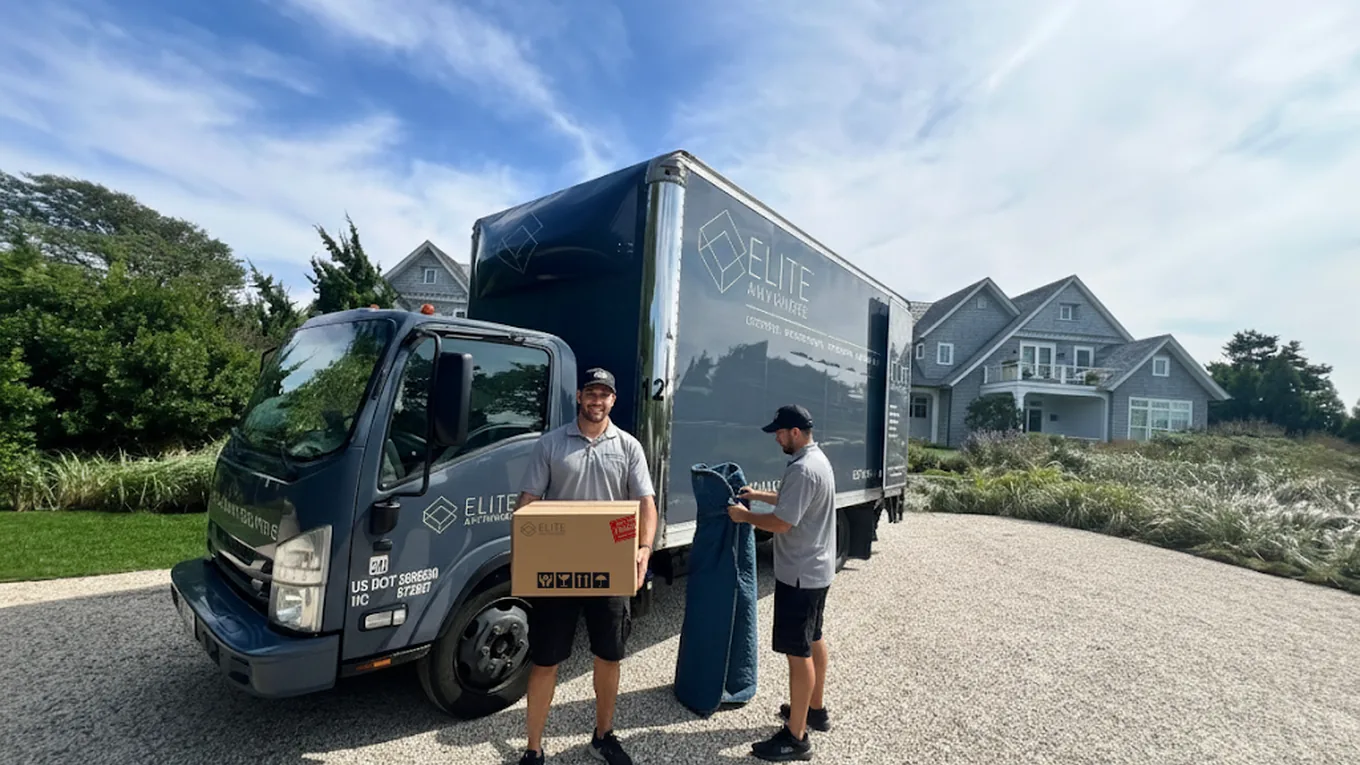
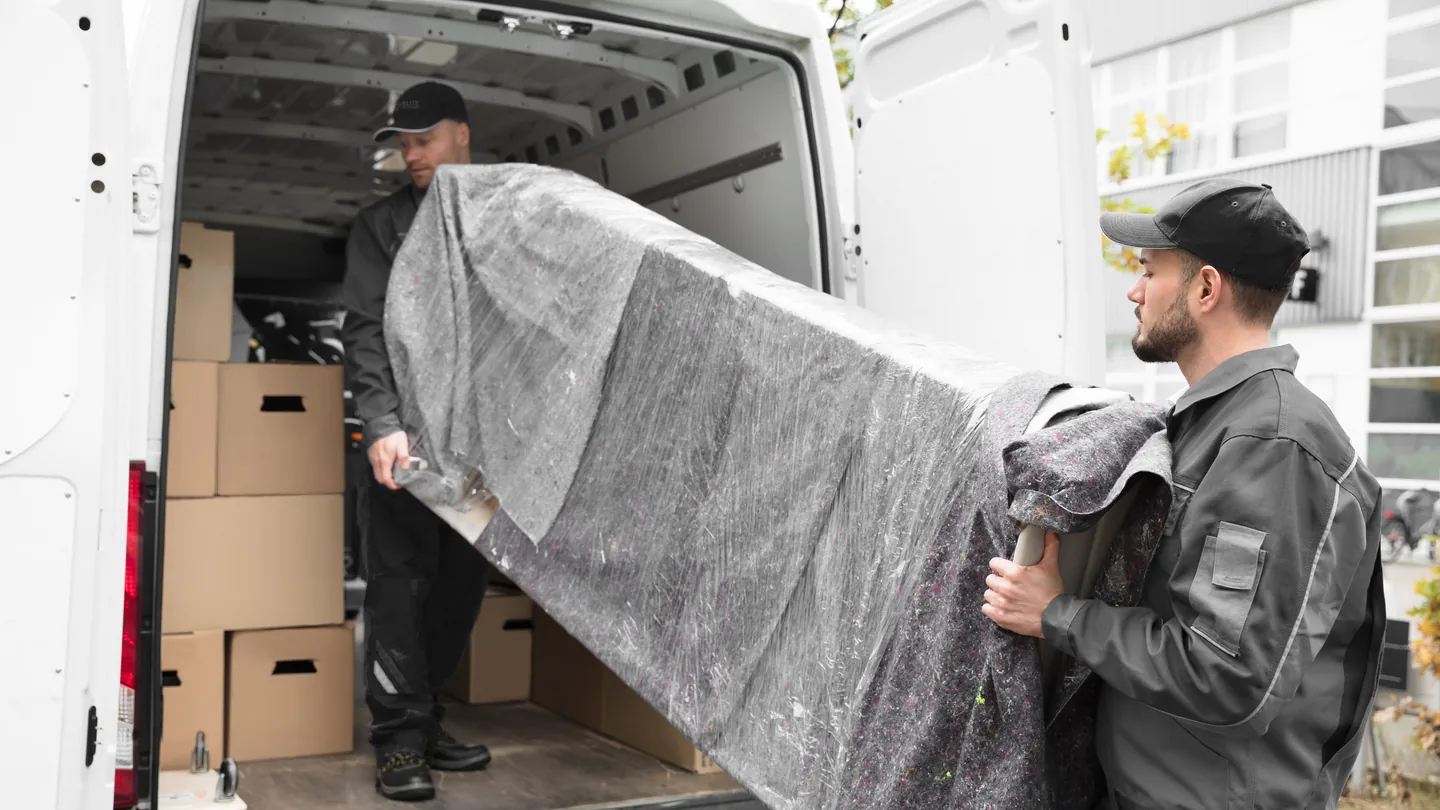
Fewer touchpoints means less loss and damage — that's the structural argument, not a sales one. When the final delivery needs placement and setup, our last-mile delivery solution pairs door-to-door transport with a full furniture delivery service, so one provider owns the shipment from pickup all the way to the room it belongs in.
Quick answers.
What is door-to-door shipping?
Is door-to-door the same as DDP?
How much does it cost to ship 300 lbs?
What is the BL fee in shipping?
What's the difference between door-to-door and port-to-port?
Does door-to-door shipping include customs clearance?
Is door-to-door shipping the cheapest option?
Director of Operations · Freight & Last-Mile Logistics at Elite Anywhere. Elite Anywhere runs receiving, storage, white-glove delivery, and installation for designers, brands, and private clients nationwide.
Explore Shipping & Freight →